Roatan's people have a rich, colorful history
A cultural melting pot in the western Caribbean
Over the last few centuries, Roatan has become something of a cultural melting pot. No single Roatanian looks like the other, and that’s largely due to European influences on the island and its people ever since it was “discovered” by the fourth and final Columbus expedition in 1502.
Since that fateful landing, and the ensuing Spanish influence on the island as it was exploited for everything from timber to fish — and people — the island’s population has changed dramatically.
When Columbus landed, the island was populated by the Pech or Paya people, who survived on the resources provided by the sea and the jungle. Over time, as European diseases devastated the local population, and the Spanish, English, French and Dutch took turns mining the island of its natural resources, the population changed.
Today, very few true Pech people live on Roatan, or on the mainland of Honduras, for that matter. Just as the early Spanish exploitation of much of Central America negatively impacted the native Mayan populations of nearby Belize and southern Mexico, the Pech people were all but wiped out.
Who are Roatan’s people today?
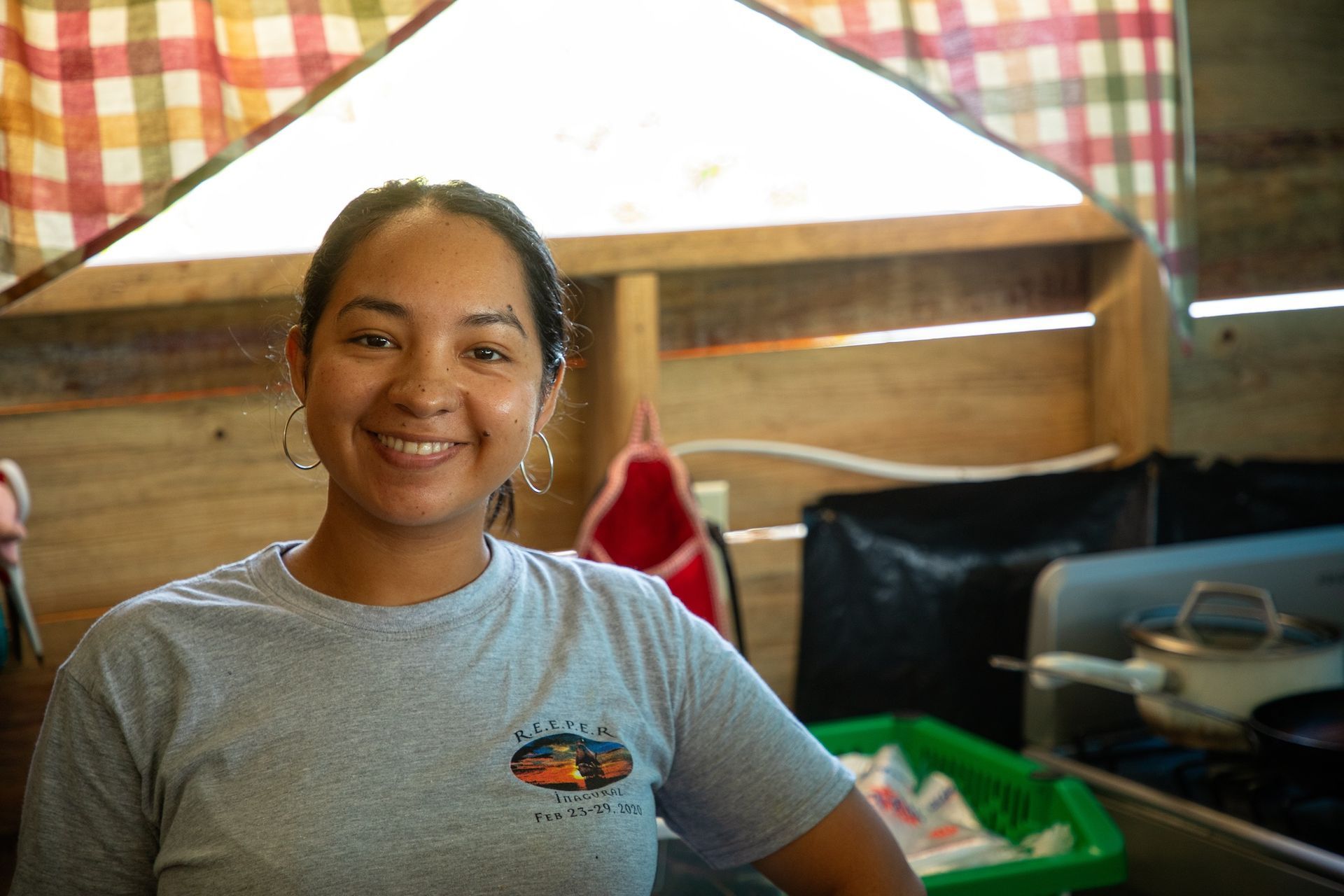
Today, Roatan’s people are the products of cultural and racial blends that have taken place over the last 500 years. With the arrival of European influences, and the mingling of Europeans and native Hondurans, like the Pechs, the population began to change fairly quickly. Add in the fact that Roatan was used as something of a processing enclave for the African slave trade, and more cultural and racial elements were added to the mix.
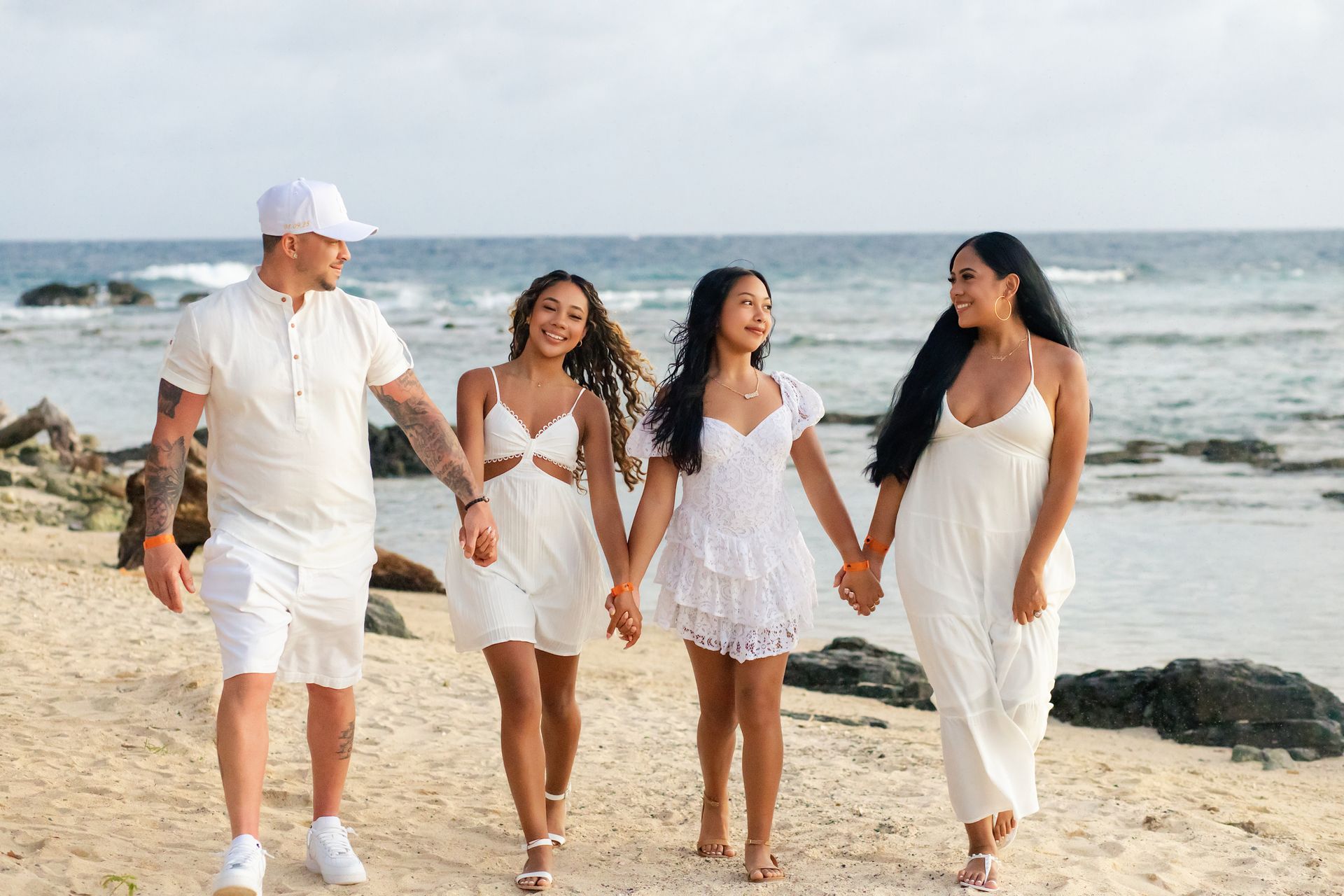
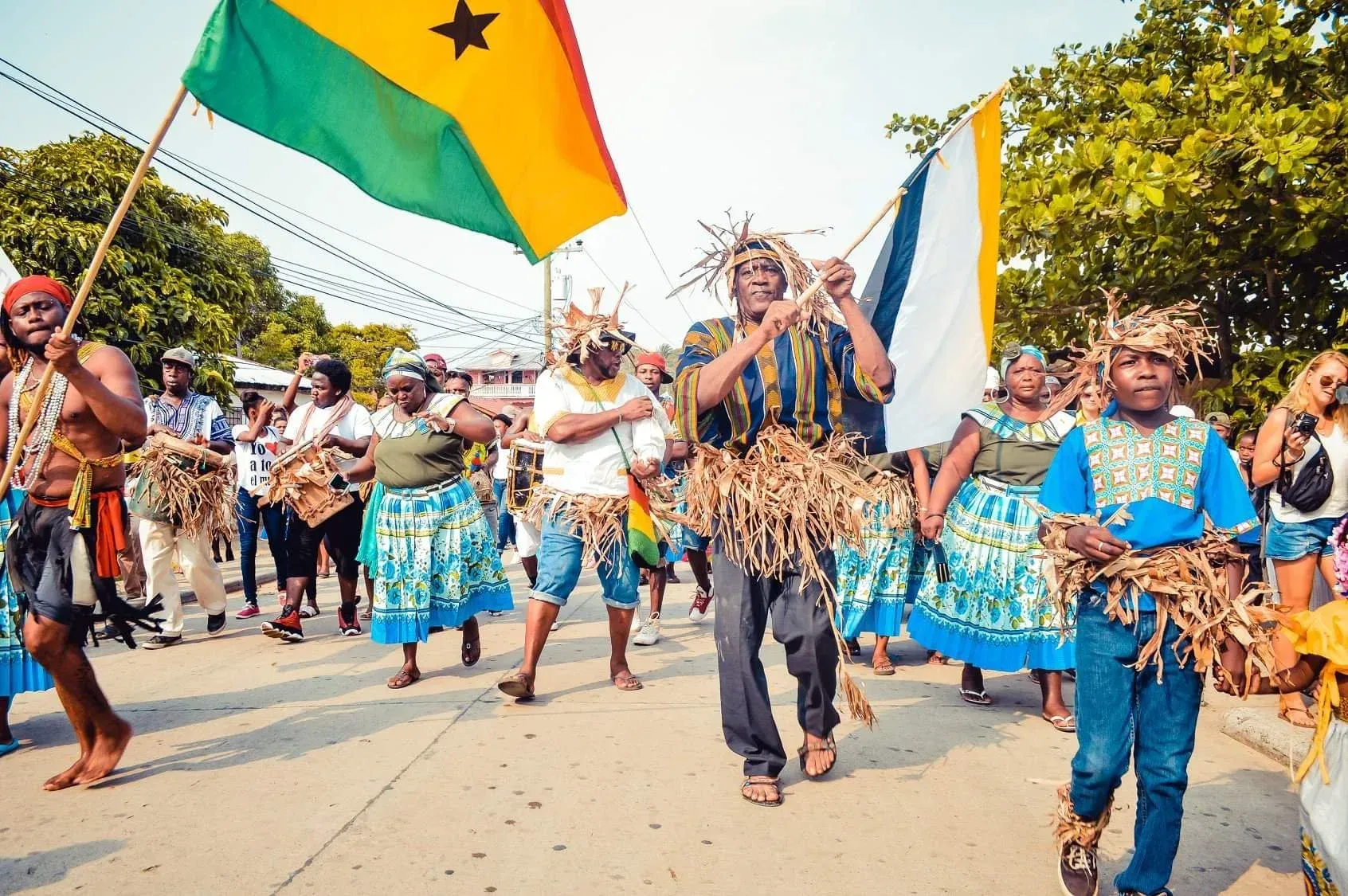
Today, Roatanians are the serendipitous products of a totally random cultural petri dish — much like the populations of the rest of the Americas, Roatanians are a mix of European, native American and African races. And, culturally, all of the racial ingredients contribute to the way the people live today.
So many languages
The official language of Honduras is Spanish. But on Roatan, you’d be hard-pressed to find a local who only spoke Spanish. Most Roatanians speak a Creole dialect of English, but they also speak Spanish, and many understand and speak French.
All three languages speak to the island’s history, first as a Spanish colony, and later, after it was acquired by the English and English-speaking pirates. The French and Dutch influences aren’t as strong, but they’re certainly noticeable, particularly in the
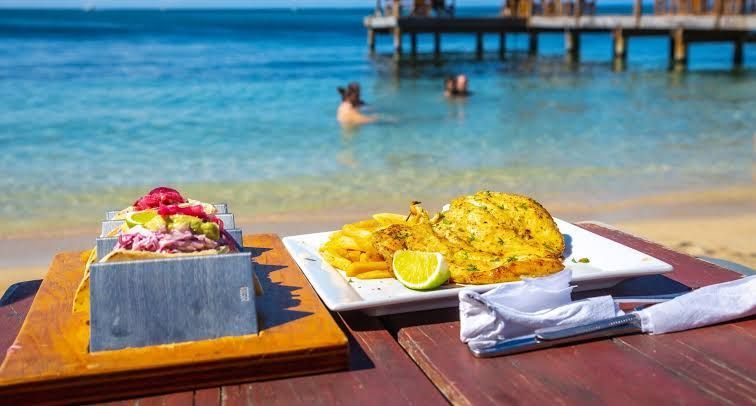
Creole cuisine that’s prominent on the island. But, after the Brits took over and essentially drove off the pirates, they ruled Roatan for more than 100 years. It would later fall back under Spanish rule, after a brief time when Honduras was self-governed (although Roatan fiercely resisted outside control for centuries). In 1850, it again fell under British rule and that lasted a bit more than a century, when the territory of Roatan was ceded to the Honduran government in 1965.
The people persist
Today, it’s still a part of Honduras. It’s people, though, are a cultural enigma, the product of centuries of intermingling cultures and races that make them among the most unique and interesting people anywhere on earth.
But perhaps the best quality all Roatanians possess is their innate instinct to be friendly and welcoming. Over the last several decades, Roatan has become a tourism hot spot — today, it’s a frequently visited port of call for several cruise lines, both for its beaches and its diving.
But, on the quiet East End, Roatan is still very real, and very authentic. And, as the Bell family discovered about 20 years ago, the East End offers much the same tourism amenities as the oft-visited West End, but without all the glitz and resort development.
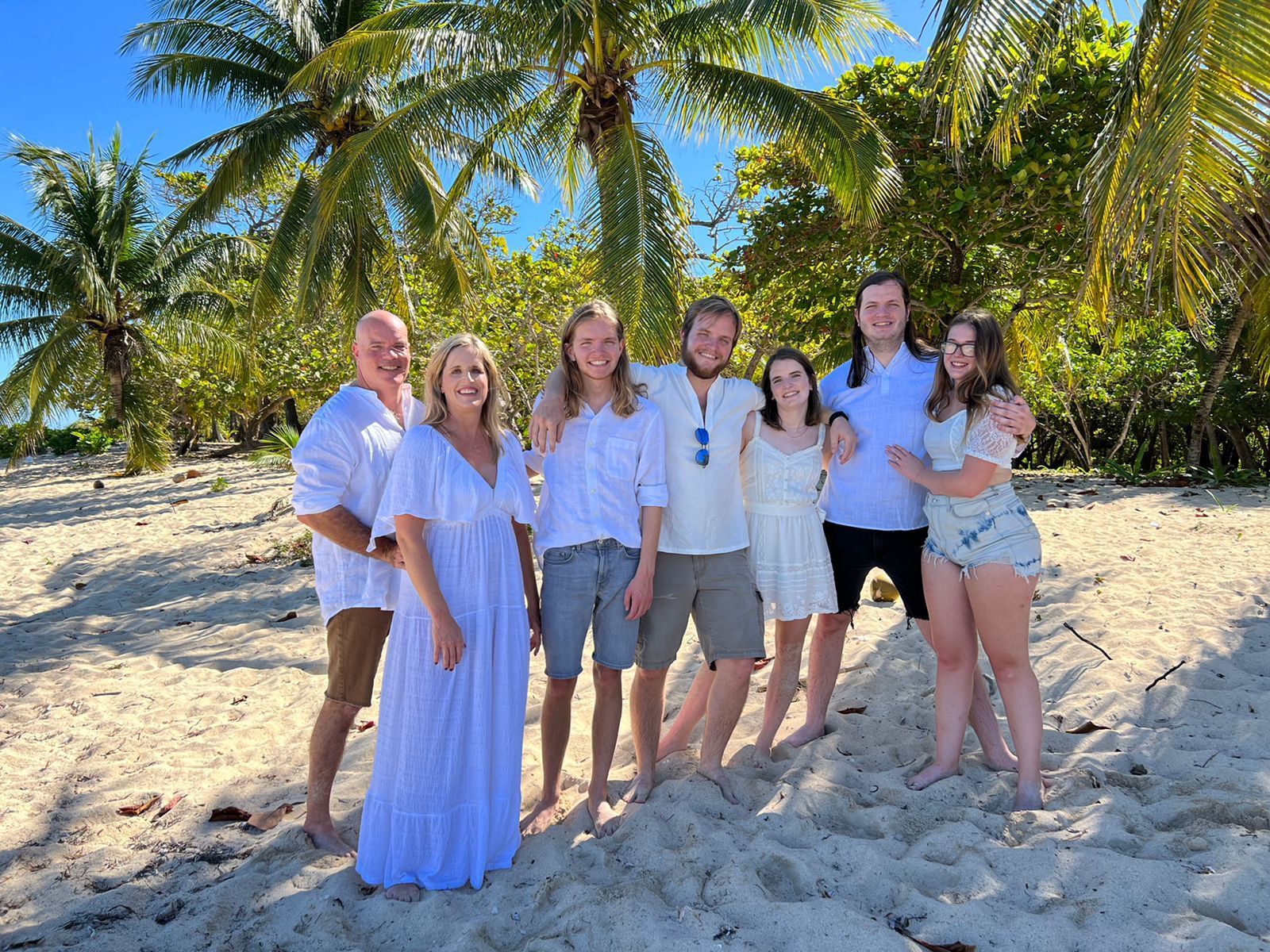
That’s why the Bells bought Ocean Breeze Villa in 2005 — it was a place where they could come, as a family, and feel both welcome and appreciated. And, when they don’t use the Villa, they offer it to guests who are fortunate enough to come and experience the real Roatan.
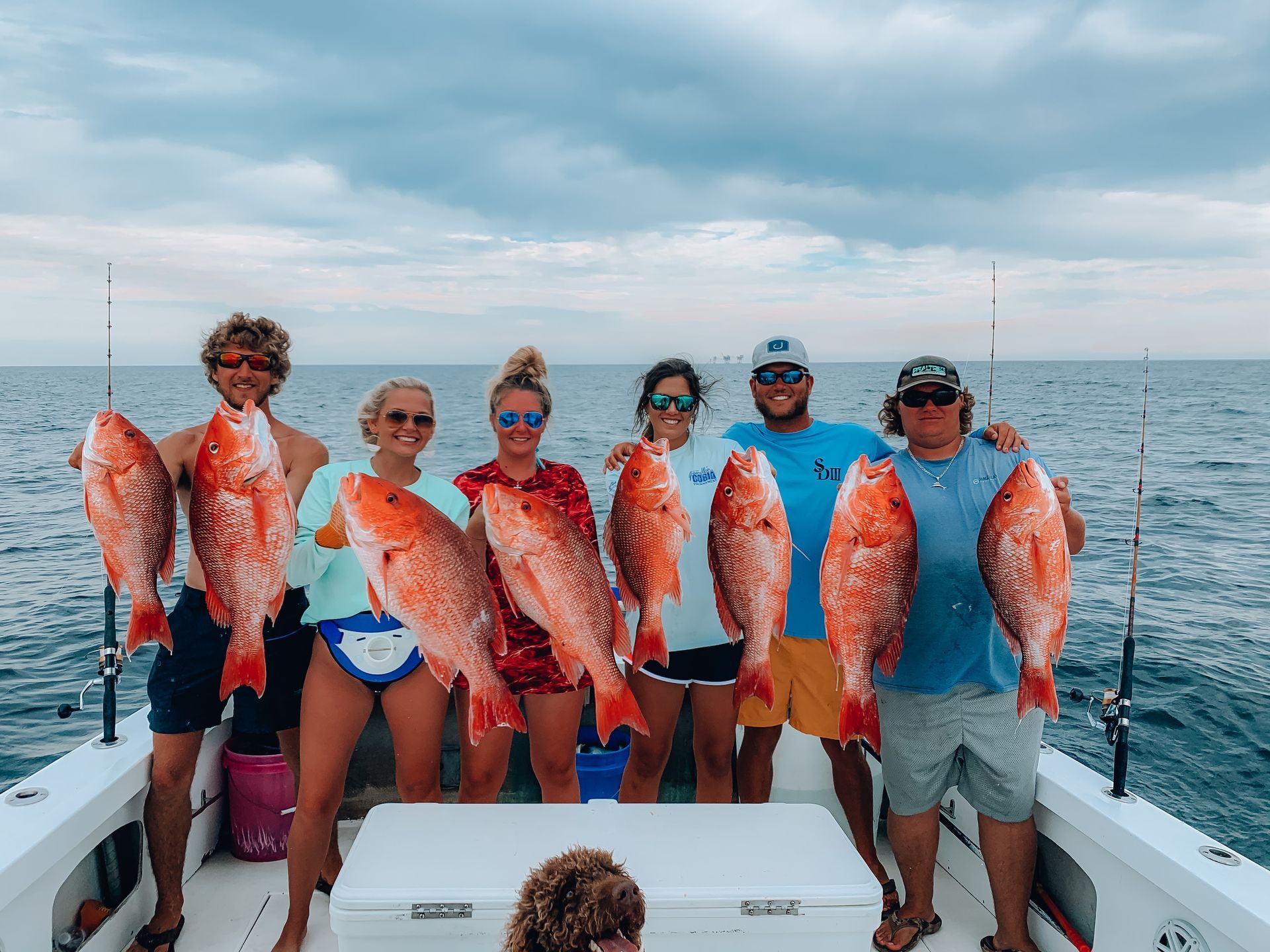
More importantly, guests at the Villa get to mingle with island’s people, who have proven to be both resourceful and resilient, and who now greet visitors with big smiles and firm handshakes. Yes, the fishing is great and diving is world-class.
But the real treasure of Roatan remains its people. Come see and find out for yourself.